Synthetic swimwear — typically made from polyester, nylon and elastane — is engineered for stretch and fast drying. But when these petroleum-based fibers remain in direct contact with the skin for hours under heat, seawater or pool water and humidity, they can create conditions that may affect skin health and breathability.
Let’s examine what dermatology and textile science suggest about how synthetic fabrics behave on skin.
What Is Synthetic Swimwear?
Synthetic swimwear refers to swim garments made primarily from petroleum-based fibers such as polyester, nylon, and elastane. These fibers are engineered to provide :
- elasticity
- durability
- fast drying
which is why they dominate modern swimwear manufacturing.
However, synthetic materials behave differently from natural fibers when in prolonged contact with the skin, particularly in warm, humid, or high-salinity environments.
What Synthetic Fabrics Do on the Skin
Synthetic fibers are hydrophobic — meaning they repel water. While this helps with quick drying, it also means they:
- Trap heat against the skin
- Reduce natural airflow
- Create a humid micro-environment
- Increase friction when wet
Under summer sun, in thermal environments or in chlorinated pools, this combination may contribute to:
- Skin irritation
- Exposure to endocrine-active compounds in heat and humid conditions
- Folliculitis (inflammation of hair follicles)
- Sensitivity flare-ups
- Discomfort in intimate areas
Dermatologists consistently recommend breathable natural fabrics for prolonged skin contact — especially for individuals with sensitive skin.
The Microplastic Question
Every wash of synthetic garments can release microplastics. But beyond environmental impact, the question increasingly discussed is:
What happens when plastic fibers remain in prolonged contact with the body under heat?
While research is ongoing, the concern is not only environmental — it is also about prolonged skin exposure to synthetic polymers.
Why Breathability Matters in Swimwear
Breathability allows:
- Air circulation
- Faster evaporation through airflow
- Temperature regulation
- Reduced bacterial growth
Most conventional swimwear dries by repelling water, as plastic and synthetic material do
Natural fiber structures can dry through air circulation when engineered accordingly.
This is where textile innovation changes the equation.
Can Natural Fabrics Perform Like Synthetics?
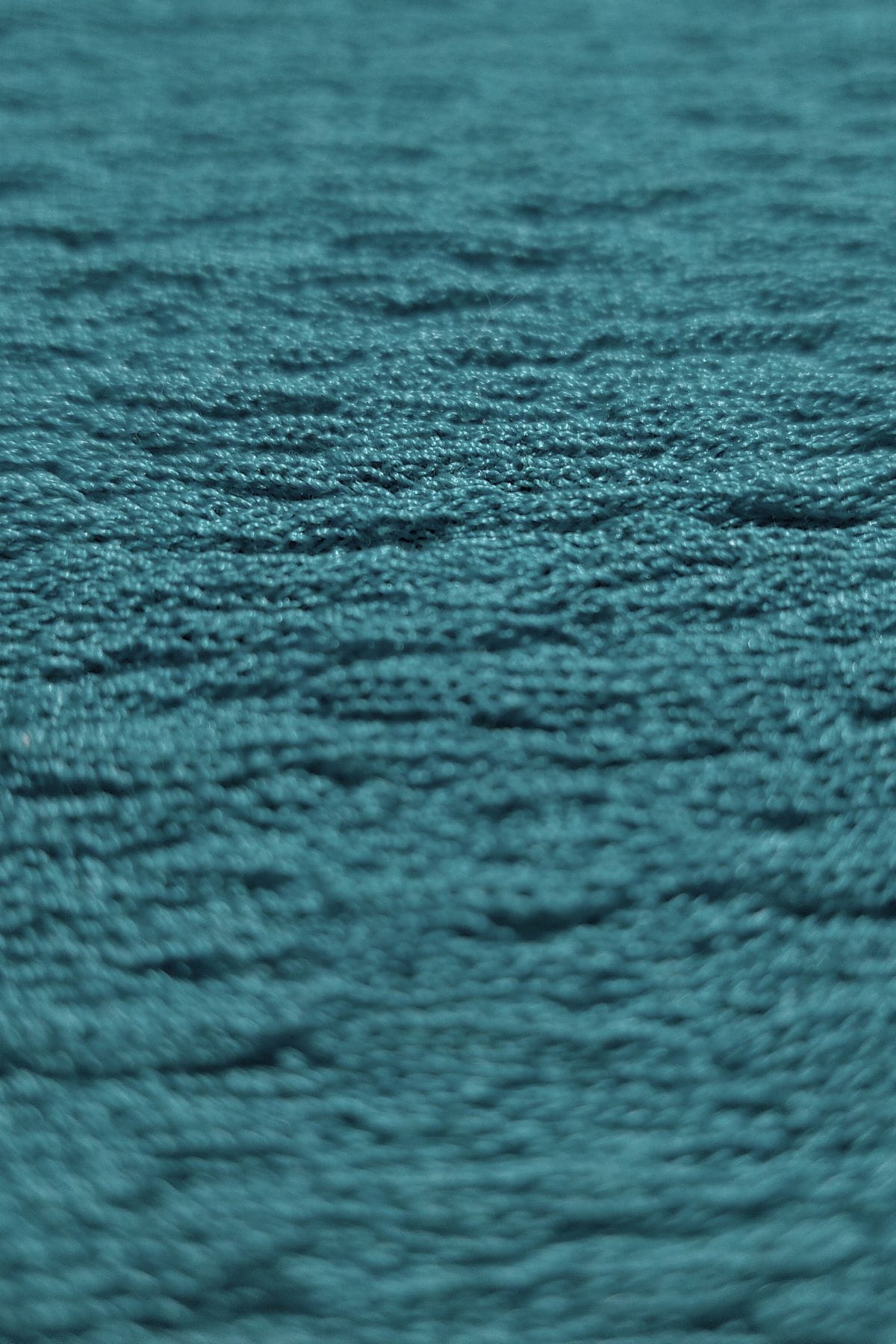
Traditionally, cotton was considered unsuitable for swimwear due to water absorption.
However, advancements in:
- High-twist yarn engineering
- 3D knit architecture
- Controlled elasticity structures
have allowed cotton to achieve:
- Structural elasticity
- Fast air-assisted drying
- Water stability
- Shape retention
without synthetic fibers touching the skin.
A New Approach to Skin-Compatible Swimwear
Pepper Vally® developed the world’s first patented cotton swimwear fabric, engineered to combine:
- 100% cotton in direct skin contact
- ≤1.8% elastane or natural rubber fully embedded inside the structure
- 3D airflow architecture
- OEKO-TEX® certified yarns
This approach ensures:
- Superior breathability
- No plastic against skin
- Reduced irritation risks
- Eco-conscious performance
Explore how engineered cotton swimwear fabric achieves water stability and airflow-assisted drying.
Who Should Avoid Synthetic Swimwear?
You may benefit from natural alternatives if you:
- Have sensitive or reactive skin
- Experience irritation after swimming
- Prefer plastic-free products
- Use swimwear in sauna or thermal environments
- Prioritize breathable materials
Final Thought
Synthetic swimwear was designed for performance — not skin compatibility.
As innovation evolves, the future of swimwear may not be about more plastic — but smarter natural engineering.
Future article:
Cotton vs Polyester Swimwear – What’s Healthier?
Frequently Asked Questions
Is polyester swimwear bad for sensitive skin?
Polyester may increase heat retention and friction, which can aggravate sensitive skin.
Does swimwear release microplastics?
Yes, synthetic swimwear can release microplastics during washing.
Is cotton swimwear durable in water?
When engineered with high-twist yarns and structured knit design, cotton can maintain elasticity and water stability.
About the Author
This article is reviewed by Pepper Vally® Textile Engineering Team in Athens, Greece.
Pepper Vally® develops and produces patented cotton swimwear fabrics in-house (PCT/GR2025/000001), combining textile science and skin-compatible innovation.
Scientific Note
Recent textile and environmental studies indicate that some mass-produced synthetic garments may contain additives or finishing chemicals — including certain phthalates, bisphenols, PFAS or processing residues — that are discussed in scientific and regulatory literature for potential endocrine-disrupting properties or associations with skin sensitization and irritation.
Research References
Independent research in environmental chemistry, textile science, and regulatory safety assessments has examined the presence and behavior of certain chemical additives and finishing agents in synthetic textiles, including bisphenols, phthalates, and PFAS. Selected references include:
• Environmental Science and Pollution Research — Bisphenols detected in clothing textiles
https://link.springer.com/article/10.1007/s11356-024-34904-4
• Chemosphere / ScienceDirect — Migration of chemicals from textiles into sweat
https://www.sciencedirect.com/science/article/pii/S0045653524018241
• European Chemicals Agency (ECHA) — Phthalates and endocrine disruption
https://echa.europa.eu/hot-topics/phthalates
• European Chemicals Agency (ECHA) — Bisphenols overview
https://echa.europa.eu/hot-topics/bisphenols
• European Environment Agency — PFAS in textiles
https://www.eea.europa.eu/en/analysis/publications/pfas-in-textiles-in-europes-circular-economy
• EU Scientific Committee on Consumer Safety — BPA in clothing articles
https://health.ec.europa.eu/publications/safety-presence-bisphenol-clothing-articles_en